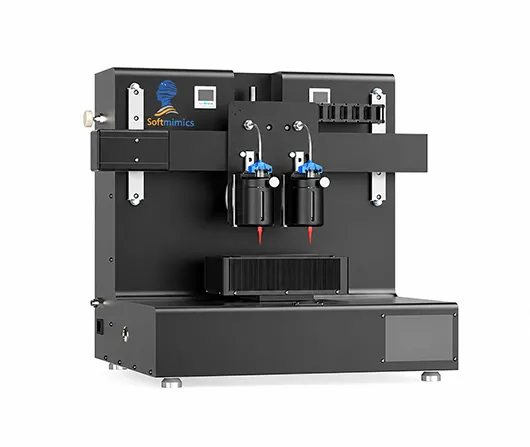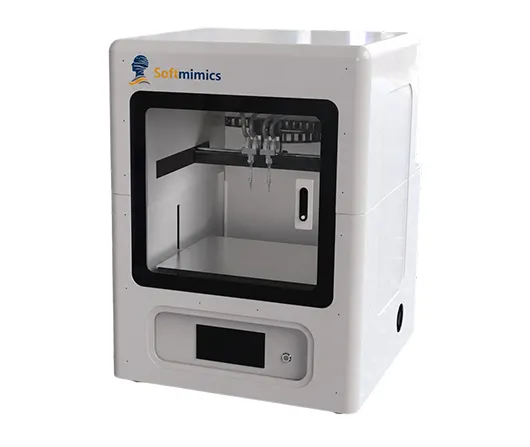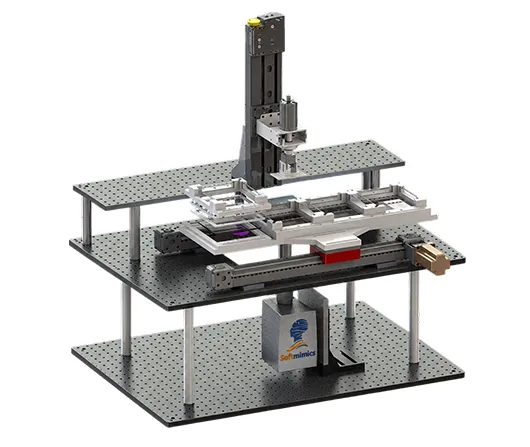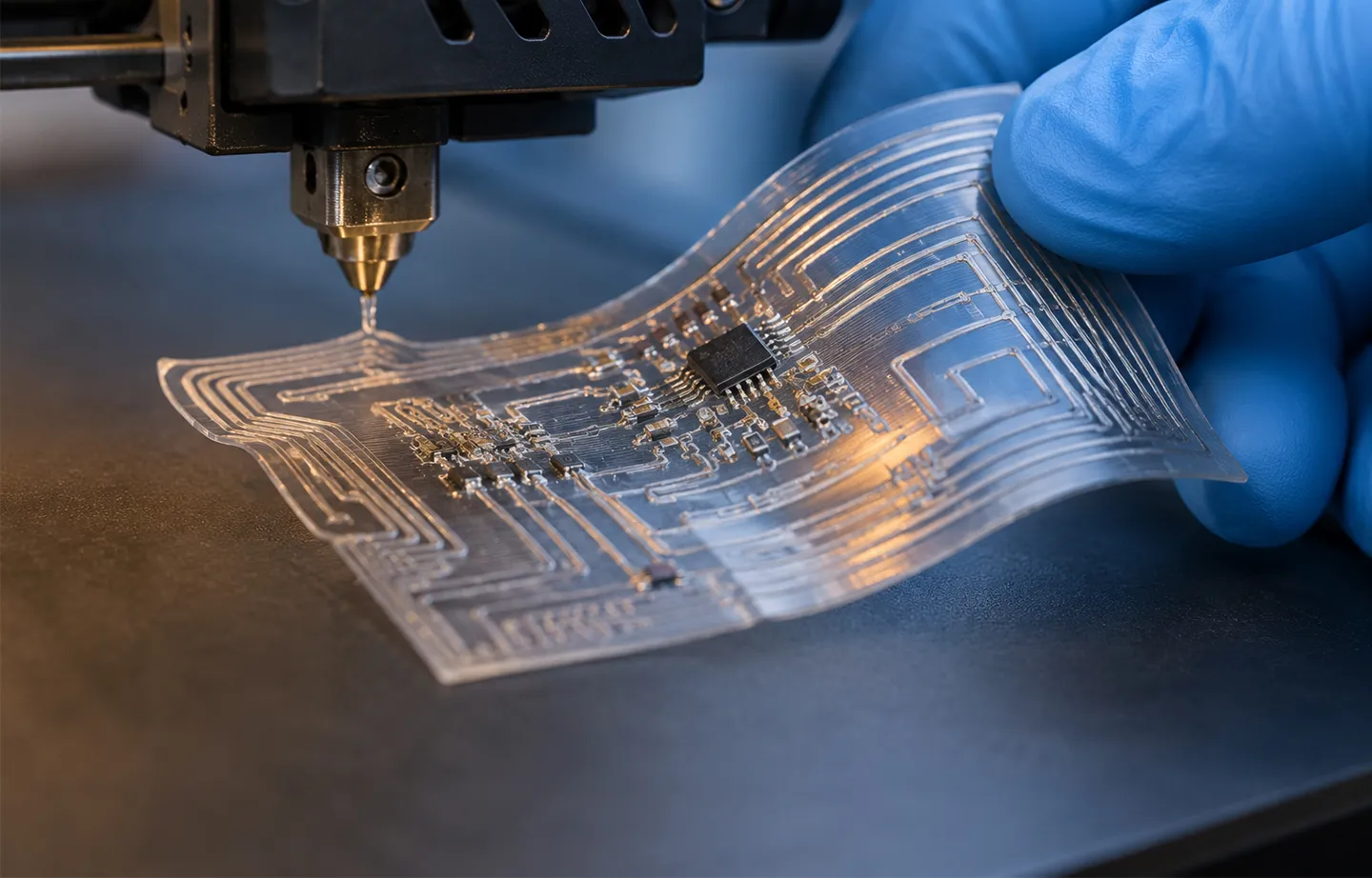

3D printing primarily aims to address the limitations of traditional manufacturing processes regarding cost, complexity, and speed. This technology enables the rapid production of elastic components with complex geometric structures.
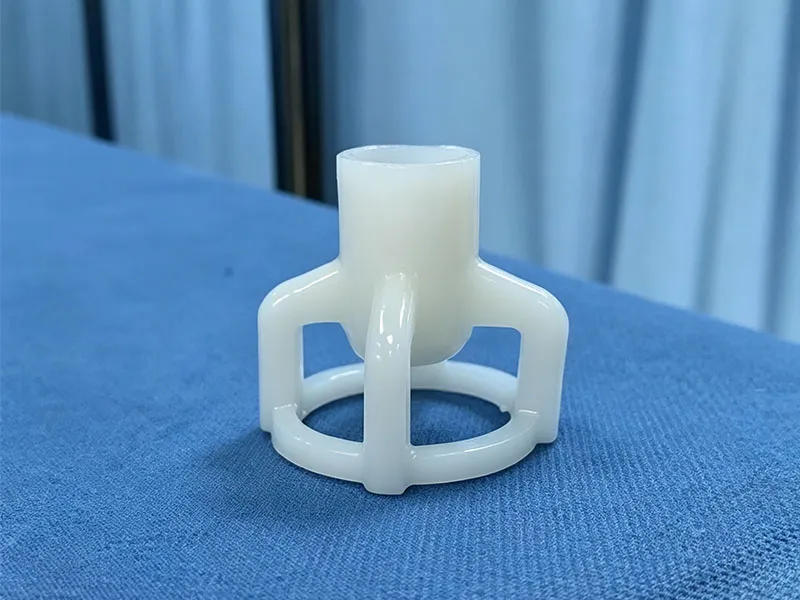
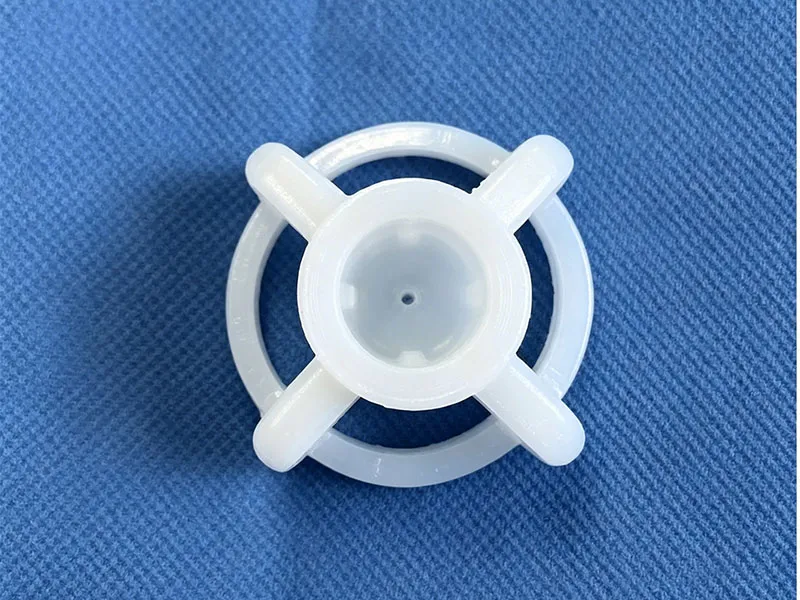
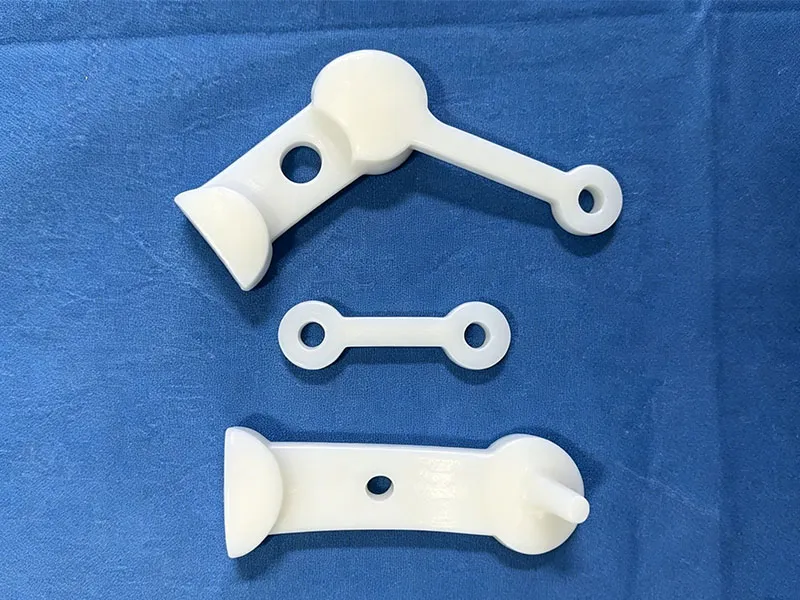
Enables the rapid production of complex elastic components, overcoming the limitations of traditional molding (injection molding) regarding complex geometric structures.
High-Performance Seals & Gaskets: Produce high-temperature-resistant and corrosion-resistant seals featuring complex internal cavities and irregular geometries—without the need for expensive molds.
Soft Grippers: Print end-effectors for industrial robots designed to handle fragile objects (such as food or glass), leveraging the inherent flexibility of silicone to ensure safe and secure gripping.
Shock Absorption & Fluid Control: Print shock absorbers featuring lattice structures, or fluid distribution components containing complex internal flow channels.
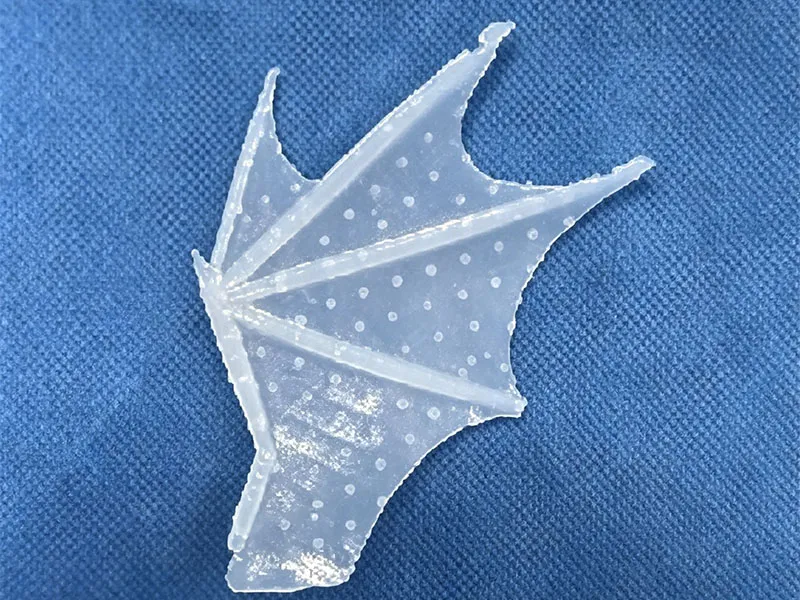
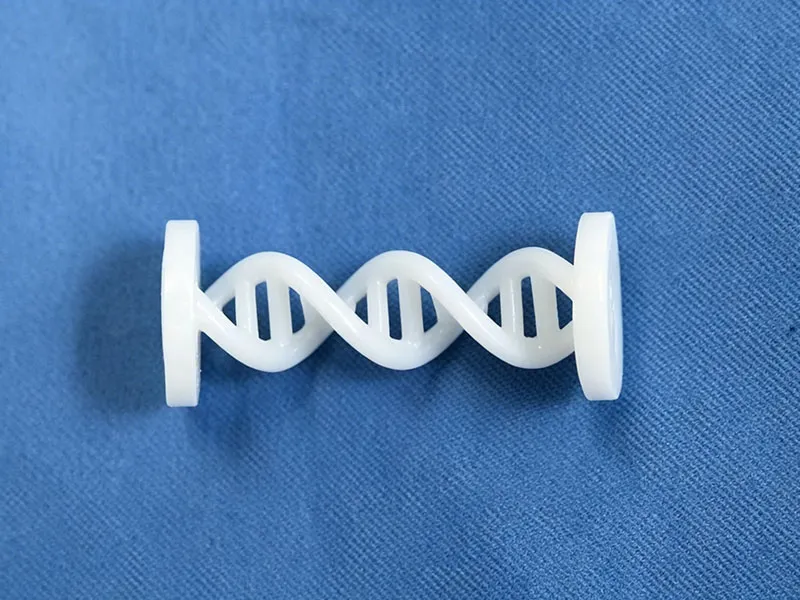
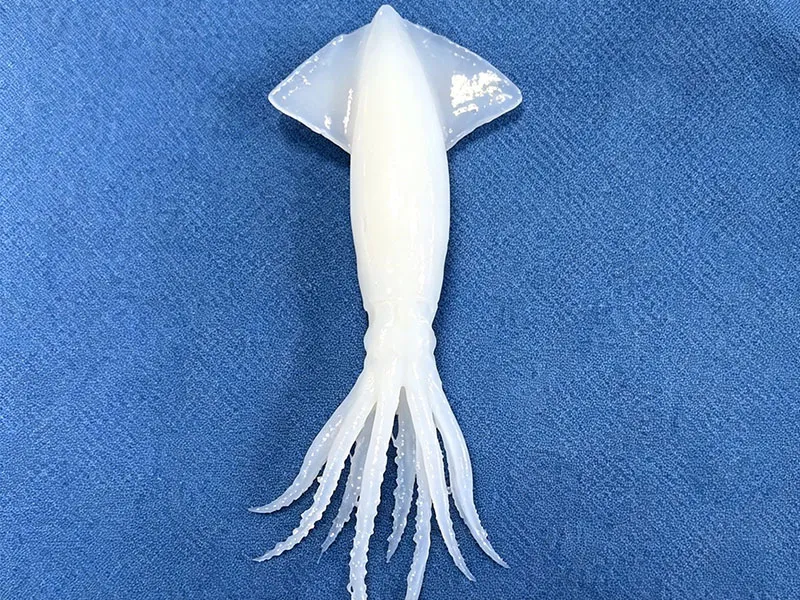
Biomimetic Structure Fabrication: Enable the rapid production of bio-inspired structures with complex geometries, replicating natural forms such as bone, honeycomb, and vascular networks that are difficult to achieve through traditional manufacturing.
Lightweight & High-Strength Designs: Print lattice and porous structures inspired by natural organisms to optimize strength-to-weight ratios for aerospace, automotive, and medical applications.
Advanced Fluid & Airflow Systems: Create nature-inspired internal channel structures that improve fluid distribution, heat dissipation, and airflow efficiency in industrial components.
Energy Absorption & Cushioning: Manufacture shock-absorbing structures modeled after biological tissues and cellular architectures for enhanced impact resistance and flexibility.


 Contact
 Quote
 Account
 Cart

 English
 日本語
 한국어
 français
 Deutsch
 Español
 italiano
 русский
 português
 العربية